
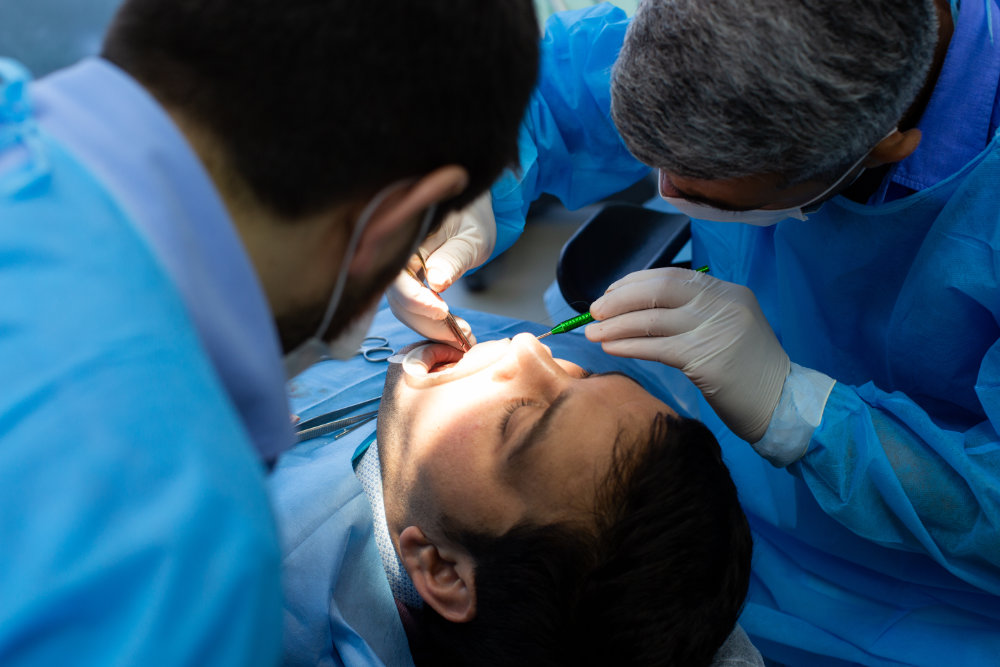
Emergencies rarely happen at a convenient time. Either a sharp pain wakes you up, or a tooth chips while you are eating, or an unexpected knock leaves you unsure of what to do next. Dental emergencies can feel overwhelming, but knowing where to turn makes a difference. At Northcliff Dental Care, emergency dentistry focuses on addressing urgent concerns quickly while guiding you towards a stable, long-term solution.
What counts as a dental emergency?
Not every dental issue needs immediate attention, but some situations should not be delayed.
You may need urgent care if you experience:
- Ongoing or severe toothache that does not settle
- A broken or chipped tooth that affects function or comfort
- Dental trauma following a fall, accident, or impact
These concerns often worsen if left untreated. Acting early can help limit further damage and reduce the need for more involved treatment later.
What should I do before my appointment?
The time between your incident and your visit matters. A few simple steps can help protect your teeth and reduce discomfort.
- If you have a chipped or broken tooth, keep the area clean and avoid chewing on that side.
- For a toothache, rinse gently with warm salt water and avoid very hot or cold foods.
- After trauma, apply light pressure if there is bleeding and seek care as soon as possible.
Even if the pain settles, it is still worth having the area assessed. Some issues develop beneath the surface and may not be immediately visible.
How are emergency concerns treated?
Treatment depends on what has happened and how much the tooth or surrounding area has been affected.
Care may involve:
- Repair of broken or chipped teeth to restore shape and function
- Managing infection or deep discomfort, sometimes requiring treatment similar to a root canal
- Assessing whether a tooth can be stabilised or if removal becomes necessary in more severe cases
If a tooth cannot be saved, options such as replacing it with a bridge or denture can be discussed once the immediate concern has been resolved.
What happens after the emergency is managed?
Relief is only the first step. Once the urgent issue has been addressed, it is important to look at why it happened and how to prevent it from returning.
Follow-up care may include:
- Monitoring healing during a routine check-up
- Strengthening a weakened tooth with further restorative treatment
- Maintaining your oral health with regular cleaning and ongoing care
This approach helps move you from a reactive situation back to a stable, manageable routine.
When should I reach out?
If something feels wrong, it usually is. Waiting often makes things more uncomfortable and more complex to manage. If you are experiencing pain, have a damaged tooth, or have had any form of dental trauma, it is best to have it checked without delay.
Contact Northcliff Dental Care to arrange an urgent appointment and take the first step towards resolving the issue with clarity and care.